

Why a December Start Changes Everything
Most planners sit empty until January 1. By then you're already behind on the things that actually need planning: holiday travel, year-end deadlines, the dentist appointment you keep postponing. A December-start planner flips that. You open it in the last weeks of the year, and suddenly next January isn't a blank page — it's already got context.
The MUJI line covers this well with three sizes: B5 (roughly 7 by 10 inches, the one that lives on a desk), A5 (the notebook-in-a-bag size), and B6 (pocket-friendly, small enough to carry daily). Each comes in monthly-only or monthly/weekly versions, and the December start means you get a running head start.
Monthly vs Monthly/Weekly vs Vertical: Pick Your Week
Here's the honest breakdown. A monthly-only B5 gives you a two-page spread per month and nothing else. Great if your life runs on appointments and deadlines, not on hour-by-hour scheduling. You can see the whole month at once and spot the crowded week before it ambushes you.
Monthly/weekly adds a block of weekly pages after each monthly spread. That's the version to buy if you write to-do lists daily. The weekly side usually runs Monday to Sunday with a small notes column on the right — useful for grocery runs, calls to return, or which day you're swinging by the post office.
Vertical layouts (columns down the page instead of rows across) suit people who think in time blocks. If you've tried horizontal weekly pages and kept running out of room on Wednesday, vertical fixes that.
Building a Two-Page Monthly Spread That Actually Works
The trick with a B5 monthly spread is resisting the urge to fill every box. Leave the grid for hard commitments only. Here's a setup I've used for a few years now:
- Left column of the spread: recurring items — rent, trash day, the standing Thursday call. Write them once in pencil.
- Day boxes: appointments with times. Nothing else.
- Margin strip (usually the far right of the spread): deadlines and errands with no fixed date. Cross them off as you schedule them.
One more habit: star the first day of each week. It sounds trivial, but it stops the "wait, was that Tuesday or Wednesday?" pause that eats five minutes every morning.
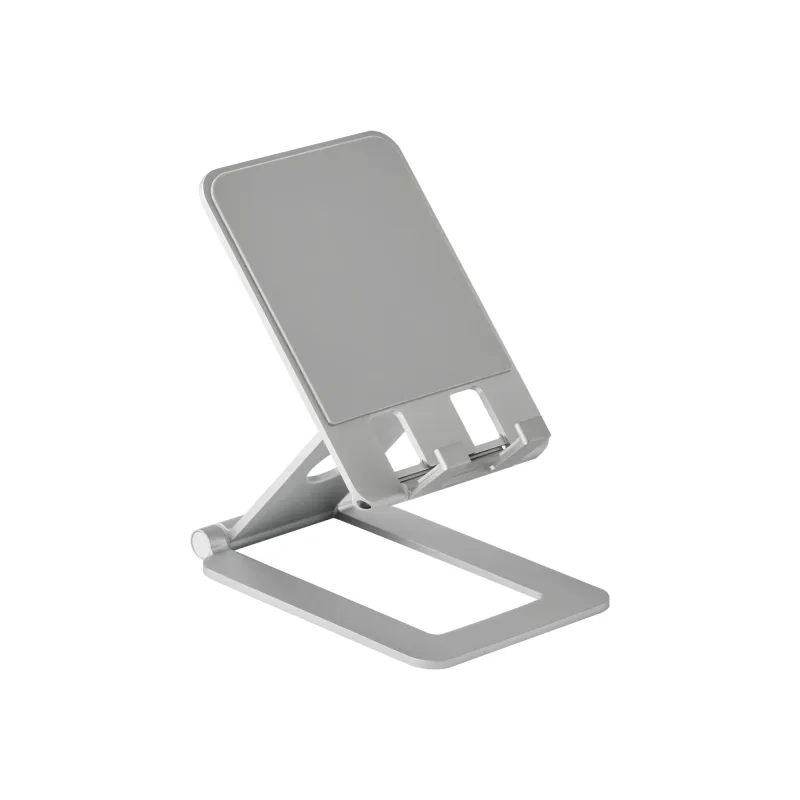
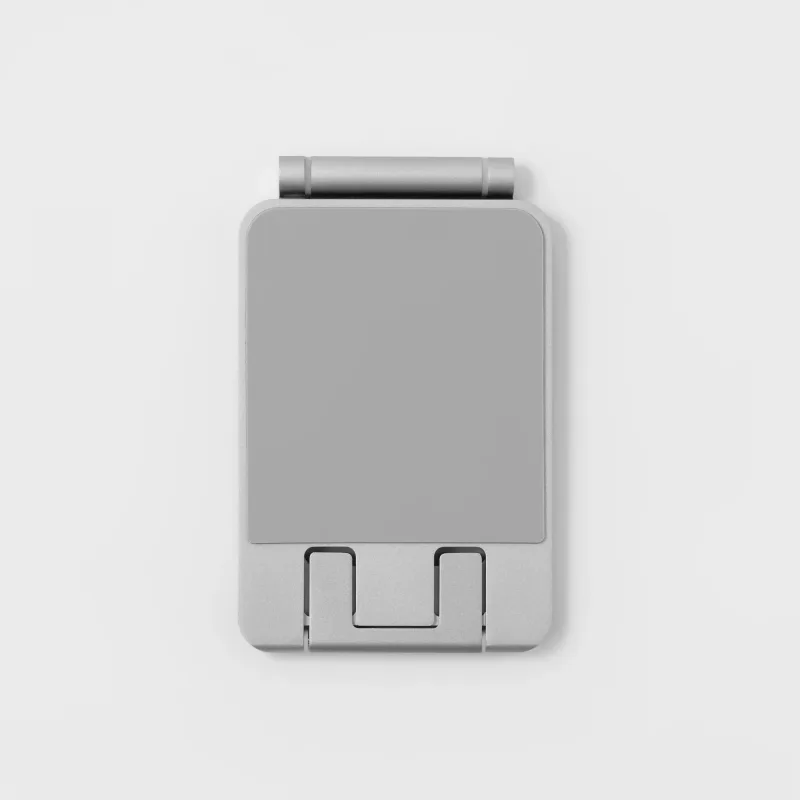
If your planner sits on a desk, an MUJI Aluminum Phone Stand with Silicone Pads and Foldable Design keeps your phone propped up at eye level instead of flat on the page. Small thing, but it keeps the spread readable.
Pairing a B6 Daily Planner With Your Monthly Book
This is the setup I'd push hardest if you've ever abandoned a planner in February. Keep the B5 or A5 monthly as your overview. Add a B6 daily planner for the day itself. The B6 opens flat and shows one day at a glance, so you're not flipping pages mid-task.
Two books, two jobs. The monthly answers "what's coming?" The daily answers "what now?" You don't need to duplicate anything. If it's on the monthly, it doesn't need to be on the daily unless there's a specific time attached.
Keeping It Alive Past January
Most planner systems die because they're too ambitious in week one. Here's what holds up:
- Sunday evening, ten minutes, transfer the week. That's the whole maintenance routine.
- Write in pencil for anything that might move. Ink for confirmed things only.
- Keep a small bag organizer nearby so the planner doesn't get crushed in your tote. The Parachute Cloth Small Bag Organizer - Gray fits a B6 planner, a pen, and a phone without turning into a junk drawer.
And if you work from home, the planner lives where you actually sit. On a couch-and-coffee-table day, that's often next to a MUJI Women's French Terry Lounge Pants Soft Stretch Sweatpants situation — comfortable enough to sit through a long planning session without fidgeting.
When you travel with the planner, keep it in a coat or bag with a dedicated pocket. A MUJI Men's Water Repellent Hooded Coat in Organic Cotton has enough structure to hold a B6 without bending the cover, which matters more than you'd think once the pages start curling.
Start With Next Week, Not January 1
Open the December spread today. Write in one appointment, one deadline, one errand. That's it. The system builds itself from there, and by the time the new year rolls around you'll already be three weeks into using it — which is the only real reason a December-start planner exists.